Source Uni Directional Condenser Microphone Custom Molded Mask for Meetings, Teaching, and Recording
Explore 30 listings of the uni directional condenser microphone custom molded mask designed for professional audio needs. Buyers can compare models with varying directivity, sensitivity, and connectivity options to find the ideal solution for meetings, teaching, or recording applications.
Key considerations
Products List


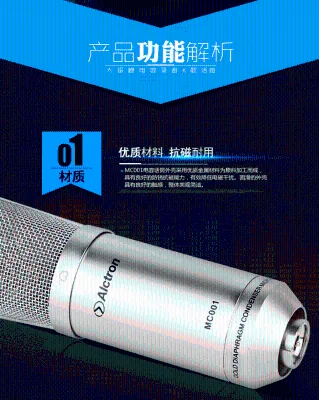
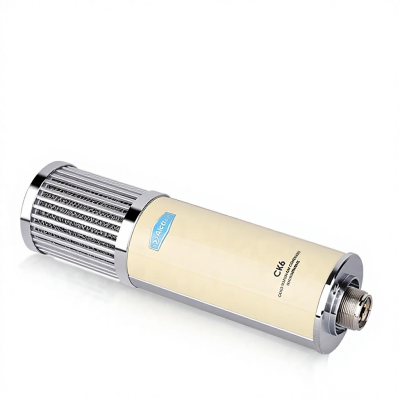
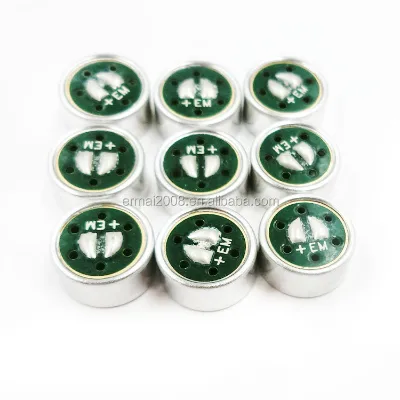
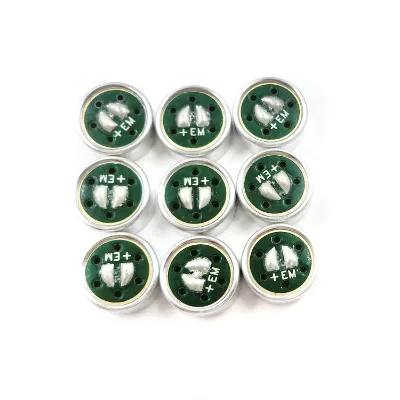


Comprehensive Sourcing Guide
Strategic Sourcing Guide for Custom Molded Uni-Directional Condenser Microphones
Understanding the Core Technical Architecture
When sourcing a uni-directional condenser microphone with custom molded features, buyers must first distinguish the fundamental transducer principles that define performance. The market offers distinct technologies, primarily electrodynamic and condenser types, each serving different acoustic requirements. For applications demanding high sensitivity and detailed frequency capture, the condenser microphone is the preferred choice. This technology relies on a capacitor formed by a diaphragm and a backplate, requiring external power, often provided via phantom power or an internal battery, to operate the internal preamplifier. In contrast, electrodynamic microphones utilize a coil and magnet assembly, which generally offers higher durability but lower sensitivity.
The directivity pattern is a critical specification for any procurement strategy. A uni-directional microphone, often referred to as a cardioid or supercardioid pattern, is designed to capture sound primarily from the front while rejecting noise from the sides and rear. This characteristic is essential for environments with high ambient noise, such as commercial settings, professional broadcasting studios, or teaching facilities. The observed product data indicates that specific models in the market feature a uni-directional pattern, making them suitable for voice recording, amplification, and measurement tasks where signal clarity is paramount.
Furthermore, the custom molded aspect of the microphone housing introduces a layer of complexity regarding the physical interface. Custom molding allows for the integration of specific ergonomic shapes, mounting points, or aesthetic branding that standard off-the-shelf units cannot provide. This customization often extends to the connector type, with options ranging from standard 3.5mm plugs to USB interfaces for direct computer connectivity. Buyers must verify the impedance range, which can vary significantly from 50Ω to over 20,000Ω depending on the internal circuitry and intended load. Ensuring the output impedance matches the input requirements of the receiving device is vital to prevent signal loss or frequency response anomalies.
Compliance, Certification, and Safety Standards
In the global B2B marketplace, compliance is not merely a formality but a prerequisite for market access and liability protection. While specific certification status for individual units varies by manufacturer, buyers must ensure that products meet the regulatory standards of their target regions. The supply chain for electronic components, including microphones, is heavily regulated to ensure safety and environmental compliance. Products originating from major manufacturing hubs like China or Shenzhen are subject to rigorous export controls and must adhere to international standards for electrical safety and electromagnetic compatibility.
Buyers should verify that the supplier can provide documentation confirming adherence to relevant standards, such as CE, RoHS, or FCC, depending on the destination market. Although the provided data lists a "regular" standard for certain models, this generic classification does not substitute for specific regulatory compliance. For custom molded products, the materials used in the housing must also be compliant with fire safety and toxicity regulations. The absence of specific certification data in general product listings necessitates a proactive verification process where the buyer requests third-party test reports.
Additionally, the electrical safety of the microphone, particularly those with built-in batteries or USB connectivity, must be scrutinized. Products with battery capacities, such as 350mAh or 400mAh, require specific safety testing to prevent overheating or leakage. The operation voltage, often specified as USB DC 5V, must be consistent with the power delivery capabilities of the connected equipment. Failure to verify these electrical parameters can lead to equipment damage or safety hazards in professional broadcast and commercial applications.
Cost Drivers and Pricing Dynamics
The pricing structure for custom molded uni-directional condenser microphones is influenced by a complex interplay of factors, including customization levels, production volume, and component quality. The observed price range in the market spans from $0.43 to $9,999, indicating a vast disparity between basic commodity units and highly specialized, custom-engineered systems. This wide range suggests that the "custom molded" attribute significantly impacts the final cost. Standard mass-produced units typically occupy the lower end of the spectrum, while bespoke designs involving unique tooling, specialized materials, and low-volume production runs command premium prices.
Minimum Order Quantity (MOQ) is another critical cost driver. The observed MOQ range of 1 to 3,000 units highlights the flexibility available to buyers, but also the economic implications of order size. Custom molding often requires the creation of specific molds, which involves a high upfront investment. Consequently, suppliers may enforce higher MOQs to amortize these tooling costs. Buyers ordering small quantities may face higher per-unit costs or additional setup fees. Conversely, larger orders can significantly reduce the unit price, making the investment in custom tooling more viable.
Material selection also plays a pivotal role in cost determination. The choice between plastic, metal, or composite materials for the custom housing affects both the durability and the acoustic properties of the microphone. High-performance materials that offer superior sound isolation or ergonomic comfort will increase the base cost. Additionally, the complexity of the internal electronics, such as the inclusion of noise reduction circuits or specific frequency response tuning, adds to the overall expense. Buyers must balance their budget constraints with the technical requirements of their application, ensuring that cost-saving measures do not compromise the essential performance metrics of the microphone.
Typical Applications and Use Cases
The versatility of uni-directional condenser microphones makes them suitable for a diverse array of professional and commercial applications. The primary use cases identified in the market include meeting rooms, professional broadcasting, teaching environments, and recording studios. In meeting scenarios, the uni-directional pattern ensures that the speaker's voice is captured clearly while minimizing background noise from colleagues or office equipment. This makes them ideal for conference systems where voice clarity is the top priority.
For professional broadcasting and teaching, the microphone must deliver consistent performance under varying acoustic conditions. The ability to operate in both wired and wireless configurations, as indicated by different product models, provides flexibility for different deployment scenarios. Wired models with USB connectivity are particularly useful for computer-based applications, such as podcasting or online teaching, where direct digital integration is required. Wireless models, often equipped with internal batteries and offering continuous use times of approximately 5 hours, are essential for mobile applications where freedom of movement is necessary.
Recording and music production represent another significant application area. The high sensitivity and wide frequency response of condenser microphones, often ranging from 20Hz to 20kHz or 50Hz to 16kHz, make them excellent choices for capturing the nuances of musical instruments and vocals. The custom molded housing can be designed to reduce handling noise and provide a comfortable grip for handheld recording sessions. Furthermore, the stereo or mono sound channel options allow for different recording techniques, from single-source capture to multi-microphone array setups.
Supplier Evaluation and Selection Criteria
Selecting the right supplier for custom molded microphones requires a rigorous evaluation process that goes beyond simple price comparison. Buyers should prioritize suppliers with a proven track record in manufacturing electronic audio components and a demonstrated ability to handle customization requests. The origin of the product, such as Shenzhen or other manufacturing hubs in China, can indicate the maturity of the local supply chain and the availability of skilled labor. However, the location alone does not guarantee quality; it is the supplier's internal quality control processes and engineering capabilities that matter most.
When evaluating potential partners, buyers should assess the supplier's responsiveness to technical inquiries and their willingness to provide detailed product specifications. The ability to communicate clearly about impedance, frequency response, and sensitivity is a strong indicator of technical competence. Additionally, the supplier's capacity to manage the entire production lifecycle, from mold design to final assembly and packaging, is crucial. Custom molded products often require close collaboration between the buyer and the manufacturer to ensure that the final product meets the exact design specifications.
Transparency regarding production timelines and lead times is another key factor. While specific lead times may vary based on order volume and customization complexity, suppliers should provide realistic estimates and maintain open communication throughout the production process. The ability to scale production up or down based on demand is also important, especially for buyers who may need to adjust their order quantities in response to market conditions. Finally, the supplier's commitment to after-sales support and warranty services should be considered, as this ensures long-term reliability and peace of mind for the buyer.
Quality Control and Long-Term Procurement Considerations
Implementing a robust quality control (QC) strategy is essential for ensuring that custom molded microphones meet the required performance standards. Buyers should establish clear acceptance criteria based on key performance indicators such as frequency response, sensitivity, and signal-to-noise ratio. Regular sampling and testing during the production process can help identify and rectify defects before they become widespread issues. For custom products, it is particularly important to verify that the molding process has not introduced any acoustic anomalies or structural weaknesses that could affect the microphone's performance.
Long-term procurement considerations involve building a sustainable relationship with the supplier that supports continuous improvement and innovation. This includes regular reviews of product performance, feedback loops for design iterations, and discussions about future technology trends. As the audio industry evolves, suppliers who are proactive in adopting new materials and technologies will be better positioned to meet the changing needs of their customers. Buyers should also consider the environmental impact of their procurement decisions, seeking suppliers who prioritize sustainable manufacturing practices and recyclable materials.
Finally, the scalability of the supply chain is a critical factor for long-term success. Buyers must ensure that the supplier has the capacity to handle increased order volumes without compromising quality or delivery times. This may involve diversifying the supplier base or establishing strategic partnerships with multiple manufacturers to mitigate supply chain risks. By focusing on these long-term considerations, buyers can secure a reliable source of high-quality custom molded uni-directional condenser microphones that support their business objectives and market growth.
Comparative Analysis of Product Specifications
To facilitate informed decision-making, the following table compares key specifications observed across different product models in the market. This comparison highlights the variations in transducer principles, directivity, and connectivity that buyers should consider when selecting a microphone for their specific application.
| Feature | Model BM501 | Model MI656 | Model SF-970 | Model K1 | Model X3R | Model Q3R | Model K2 |
|---|---|---|---|---|---|---|---|
| Transducer Principle | Electrodynamic | Condenser | Condenser | Condenser | Condenser | Condenser | Condenser |
| Directivity | Omni-direction | Omni-Directional | Uni-direction | Uni-direction | Uni-direction | Uni-direction | Uni-direction |
| Sound Channel | Stereo | Mono | Mono | Mono | Mono | Mono | Mono |
| Signal Transmission | Wired | Wireless | Wireless | Wired | Wired | Wired | Wired |
| Connector/Plug | USB | 3.5mm | N/A | USB | N/A | N/A | N/A |
| Frequency Response | N/A | 50Hz-16kHz | 20Hz-20kHz | 80Hz-18kHz | N/A | N/A | N/A |
| Sensitivity | N/A | -30±3dB | -38±3dB | N/A | N/A | -36±3dB | N/A |
| Output Impedance | 50-1000Ω | N/A | N/A | 1000-20000Ω | N/A | N/A | N/A |
| Battery Capacity | N/A | N/A | 400mAh | N/A | N/A | 350mAh | N/A |
| Continuous Use | N/A | N/A | About 5h | N/A | N/A | N/A | N/A |
| Cord Length | N/A | N/A | N/A | 1.5m | 1.35m | N/A | N/A |
| Application | Meeting, Voice | Meeting, Amplify, Voice, Music, Recording | Amplify, Voice, Recording | Voice, Music, Recording | Voice, Music, Recording | Voice, Music, Recording | Voice, Music, Recording |
This comparative overview underscores the importance of matching technical specifications to application requirements. While some models offer universal connectivity via USB, others rely on traditional 3.5mm plugs or wireless transmission. The variation in frequency response and sensitivity further illustrates the need for careful selection based on the specific acoustic environment and intended use case. Buyers should use this data as a starting point for deeper technical discussions with suppliers to ensure the final product aligns perfectly with their operational needs.
FAQs
What transducer principle defines uni-directional condenser microphones?
Uni-directional condenser microphones use a capacitor formed by a diaphragm and backplate to capture sound. This technology requires external power and offers higher sensitivity compared to electrodynamic types, making it ideal for detailed frequency capture in professional settings.
Which directivity pattern is best for reducing background noise?
A uni-directional pattern captures sound primarily from the front while rejecting noise from sides and rear. This characteristic is essential for environments with high ambient noise, such as commercial meeting rooms or professional broadcasting studios where signal clarity is paramount.
How does custom molding impact the microphone housing and cost?
Custom molding allows for specific ergonomic shapes and mounting points that standard units cannot provide. This customization often increases the final cost due to tooling investments, but it enables unique branding and improved acoustic isolation for specialized applications.
What impedance ranges are typical for these microphone products?
Output impedance can vary significantly from 50 to over 20,000 Ohms depending on internal circuitry. Buyers must verify that the impedance matches the input requirements of the receiving device to prevent signal loss or frequency response anomalies during operation.
Can these microphones operate with internal batteries for wireless use?
Yes, wireless models often include internal batteries with capacities like 350mAh or 400mAh for mobile applications. These units typically offer continuous use times of about 5 hours, providing freedom of movement for teaching or recording sessions without cable constraints.
What frequency response ranges are available for recording applications?
Available frequency responses range from 20Hz to 20kHz or 50Hz to 16kHz depending on the specific model. These wide ranges make condenser microphones excellent choices for capturing the nuances of musical instruments and vocals in professional recording environments.
Which certification standards should buyers verify for safety compliance?
Buyers should verify adherence to standards such as CE, RoHS, or FCC depending on the target region. While some listings may show generic standards, specific regulatory compliance is crucial for electrical safety and environmental requirements in global B2B markets.